Munich
needs
new growth.
SIGN THE CITIZEN'S INITIATIVE NOW AND MAKE MUNICH HEAT-PROOF.








Our Goals for Munich
A Network of
Street Trees
30% tree canopy cover on all community streets - with climate-resilient trees that are permanently maintained.
Prioritize Heat Districts
Where it is particularly hot, shade is lacking, or many children and seniors live, we plant first.
Secure Tree Locations
Fast location search for new trees - without blocking bike or footpaths. Infrastructure projects now include trees from the start.
Why act?
Munich has a heat problem because the city is heating up due to climate change. Current city policy is lagging behind with adjustments. Heat development is expected to worsen in the coming years:
Since 1955, Munich has already warmed by 1.5°C on average. In densely built-up districts like Maxvorstadt, this effect is extreme: at night it cools down by an average of 9°C less than in the Munich surrounding area. If the average temperature continues to rise, it will become even hotter in densely built-up areas.
A heat day is a day when the air temperature reaches or exceeds 30°C. In densely built-up Maxvorstadt, for example, the temperature is often significantly higher due to heated asphalt and little greenery.
A tropical night is when the temperature between sunset and sunrise does not fall below 20°C. In Maxvorstadt, which has already heated up significantly during the day, buildings can hardly release the stored heat at night, making restful sleep difficult for residents.
How green is Munich compared to other major cities?
The Berliner Morgenpost analyzed via satellite how much percent of the total city area is covered by greenery.
In a nationwide comparison, Munich ranks 74th out of 80 major cities. Source: Berliner Morgenpost
How does heat
affect us?
Excess Mortality
In Germany, more than 19,000 people died as a result of heat in the summers of 2018 to 2020.
Heat Lockdown for Over-65s?
By 2050, the risk of heat-related hospitalizations for those over 65 could rise by 85%.
Heat in Munich:
Who is particularly at risk?
The short answer: Everyone. Whether at work, at home, or studying at university – extreme temperatures massively limit our quality of life.
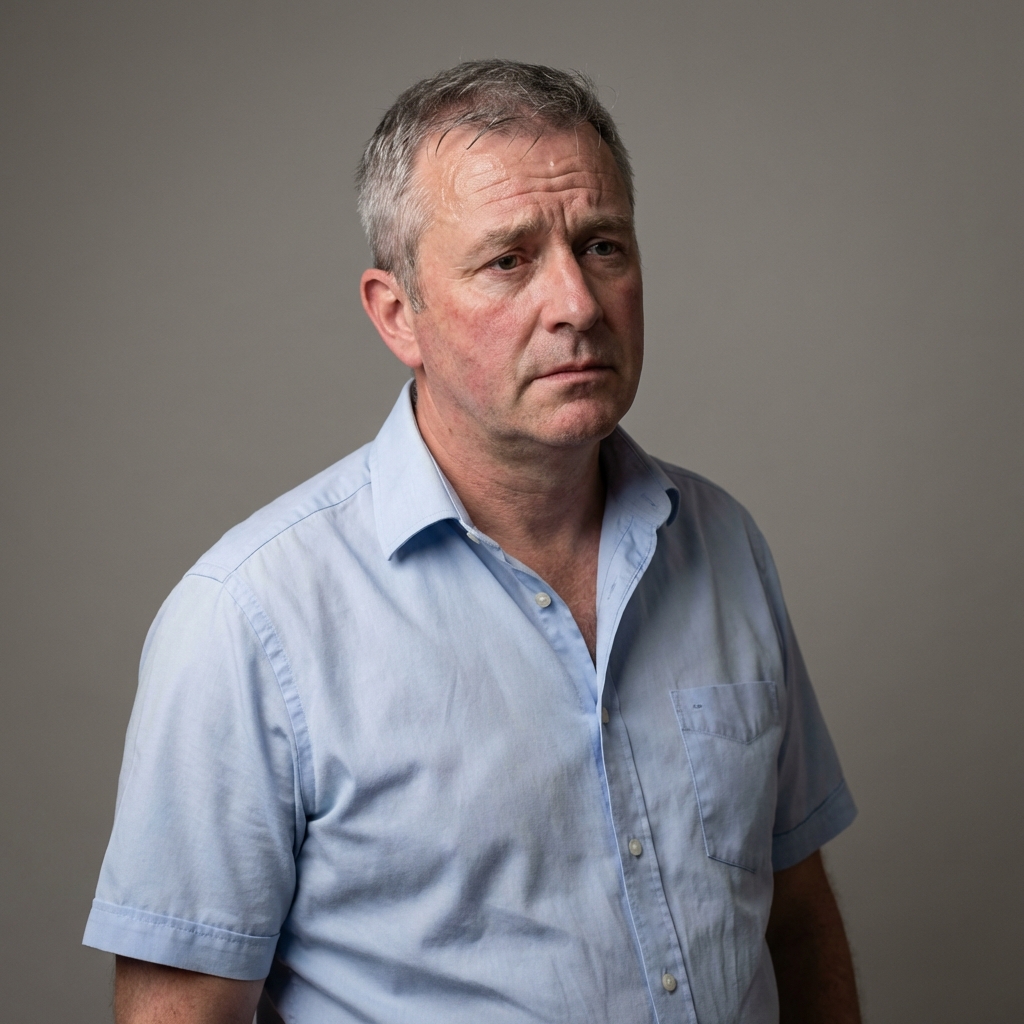
Heat Impacts
Martin suffers from productivity loss due to a hot office and experiences concentration problems from lack of sleep.
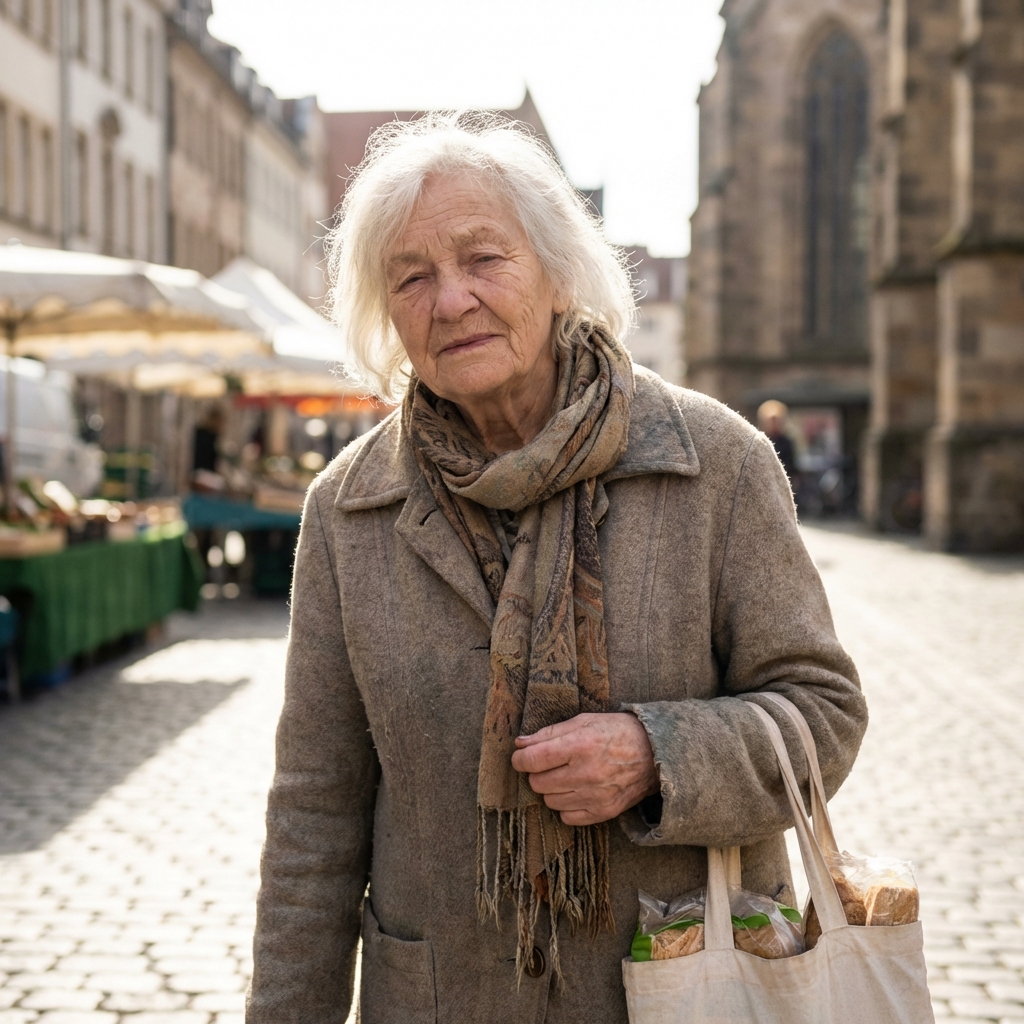
Heat Impacts
Inge struggles with circulatory strain while shopping or at home, severely limiting her social participation during the day.
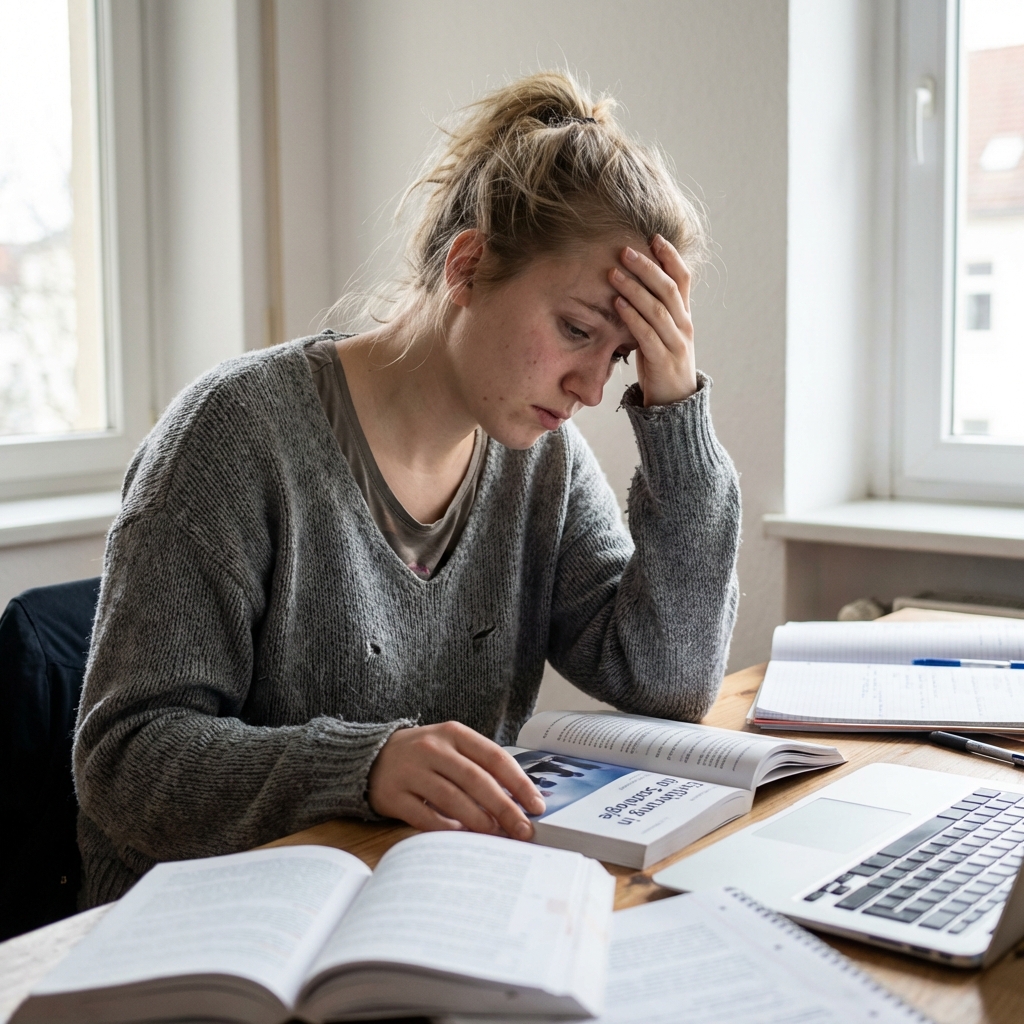
Heat Impacts
Julia faces learning blocks in a stuffy library or shared room and endures constant lack of sleep in her attic apartment.
Why Trees?
Trees are natural air conditioners: they noticeably cool our neighborhoods, provide shade, and keep our city liveable.
0.5-4°C Cooling
City trees cool their environment by several degrees by evaporating water and providing shade.
Source: Hartmann et al. (2023)Air Filter
Trees bind fine dust and produce oxygen exactly where we need it.
Source: Nowak et al. (2013)Water Storage
In times of heavy rain, trees absorb enormous amounts of water and protect our neighborhood.
Source: Dowtin et al. (2023)Rain Catcher
Dense tree crowns intercept rain and serve as a temporary refuge during rainfall.
Source: Smets et al. (2019)Insulation
Through shade, trees cool buildings and reduce the energy requirement of air conditioning systems by about 30%.
Source: Akbari et al. (2001)Habitat
Trees provide habitat, food, and nesting sites for birds, insects, and bats.
Source: Stagoll et al. (2012)Frequently Asked Questions
Here you will find answers to the most important questions about the BaumEntscheid Munich.
We demand a binding action plan from the city for three goals:
- A comprehensive network of street trees with at least 30% tree canopy cover.
- Prioritize heat districts to cool where the burden is highest first.
- Secure new tree locations early and integrate them bindingly into all planning.
Munich is missing its own goals. Currently, only about 1,500 new locations are specifically planned city-wide - less than 15% of the need. A citizen's decision creates the necessary commitment with clear targets, priorities, and schedules.
Trees provide shade, cool through evaporation, and improve air quality. Street trees act directly in the sealed street space where heat is generated and where people spend time in daily life.
First, we collect around 33,000 valid signatures as part of a citizen's initiative (Start: Early May 2026). If successful, a city-wide citizen's decision follows at the end of 2026, in which all Munich residents vote "Yes" or "No".
The basis is the city climate analysis. Further criteria are population density, bioclimatic burden, and the proportion of tree-less streets. Actions are preferentially implemented in heat districts.
We remain active, critically accompany the implementation, and maintain political pressure. In addition, as part of BaumEntscheid e.V., we support further initiatives throughout Germany.
Through early, binding integration into all street and infrastructure planning. Where street trees are not possible, equivalent alternative greening measures should provide cooling, with foot, cycle, and public transport usually remaining unaffected.
We estimate the investment costs up to 2040 at around 1 billion euros. Financed via the city budget, this is less than 1% of annual expenditures. Investments in climate adaptation also significantly reduce very expensive climate consequence costs.
We are positioned across party lines and act independently of the parties. We seek exchange with all democratic actors - because effective heat protection applies to all people, not just one specific party.
The project is supported by over 100 dedicated Munich residents from civil society, science, and economy (Project Management: Joseph Coenen and Stefanie Günther). We are an independent initiative in BaumEntscheid e.V. and are financed exclusively through donations.